
Discovering Castlemere: An Introduction
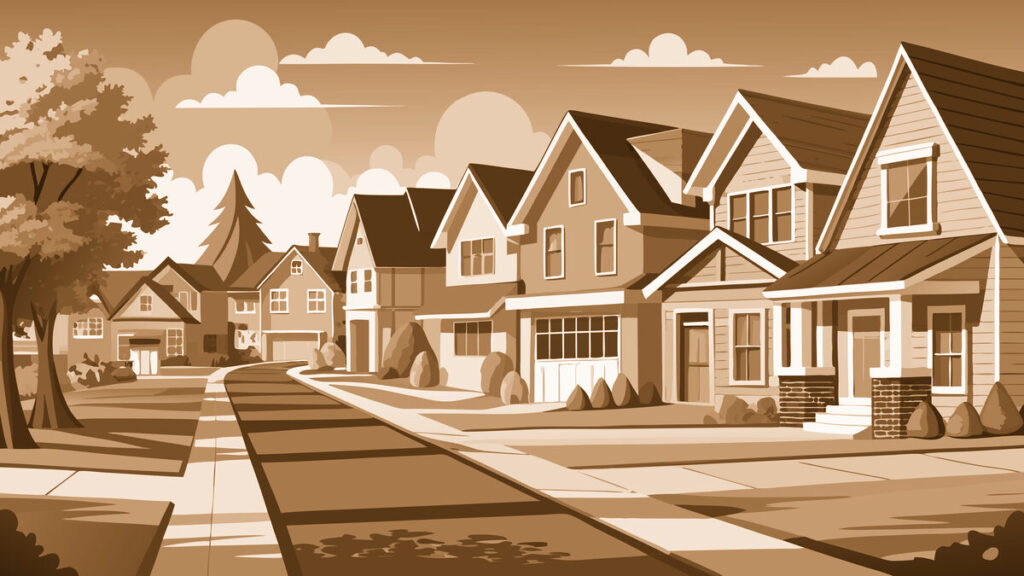
Nestled in West Plano, the Castlemere neighborhood is easily one of the city’s best-kept secrets. Its leafy streets and stately homes evoke the sense of a close-knit community with a history worth cherishing. As a longtime resident, I’ve seen firsthand how Castlemere has grown, but what truly sets this neighborhood apart is its blend of heritage, thoughtful planning, and timeless charm. Whether you’re a newcomer or a lifelong Planoite, understanding Castlemere’s story helps uncover what makes it so special.
The Origins: How Castlemere Found Its Place in Plano
The Castlemere neighborhood traces its roots back to the late 1980s, a period when Plano was on the cusp of transformation from a rural farming area to a thriving suburban hub. Developers sought to create a residential haven that would blend luxury with a welcoming atmosphere. The name "Castlemere" itself was inspired by the English countryside—“castle” symbolizing stateliness and security, and “mere,” an old English term for a peaceful lake, pointing to the area’s desire for serene yet elegant surroundings.
Many say the neighborhood’s name was chosen during a community contest, reflecting the collective vision for an inviting yet distinguished enclave. The result is a name that perfectly evokes the neighborhood’s distinctive ambiance: refined, tranquil, and rooted in tradition.
Key Milestones in Castlemere’s Growth
From its earliest days, Castlemere was thoughtfully designed with both aesthetics and functionality in mind. Key milestones in its development include:
- Initial Planning and Zoning (late 1980s): Early blueprints were influenced by the master-planned community movement that defined much of Plano’s residential expansion during this era.
- First Homes Completed (early 1990s): Developers broke ground on the neighborhood’s first stately homes, many of which still stand today along Castlemere Place, Hawkhurst Drive, and Shelburne Drive.
- Community Association Established (mid-1990s): Residents formed the Castlemere Homeowners Association to preserve neighborhood standards, host events, and promote a strong sense of belonging.
- Infrastructure and Beautification: Parks, trail connections, and tree-lined boulevards were integrated, with major improvements to landscaping in the early 2000s.
Notable Landmarks and Treasured Spots
While Castlemere is mainly known for its elegant homes and manicured lawns, there are a few essential landmarks and features worth noting:
- Castlemere Park (unofficially named by locals): This lush green space at the heart of the neighborhood is a favorite place for families, children, and dog-walkers on sunny afternoons. Its shaded benches and mature oaks serve as quiet reminders of Castlemere’s commitment to nature and community.
- Stone Entry Monuments: The iconic stone signs at the entrances on Castlemere Place and Hawkhurst Drive are as much a symbol of welcome as they are a nod to the classic architecture that inspired the neighborhood.
- Architectural Consistency: Many of Castlemere’s homes were built in classic Georgian, Colonial, or Tudor styles, making the neighborhood a visually cohesive and timeless environment.
- Nearby Institutions: Residents enjoy proximity to prestigious Plano ISD schools like Barksdale Elementary, which has served generations of local families, and the acclaimed Windhaven Park just minutes away on Windhaven Parkway—a hub for sports, picnics, and weekend gatherings.
Evolution Through the Decades
As Plano has continued to experience waves of innovation and growth, Castlemere has adapted while retaining its essential spirit. In the late 1990s and early 2000s, demographic shifts brought an influx of young professionals and families to the area. While the original residents laid the foundation for a community-focused neighborhood, newer neighbors have continued the tradition through seasonal block parties, festive holiday events, and volunteer-driven beautification initiatives.
Recent decades have also seen advances in sustainability with more homes investing in modern energy-efficient upgrades, while the HOA has encouraged eco-friendly landscaping and native plantings. The result is a neighborhood that’s not only beautiful but environmentally conscious—a balance that echoes throughout Plano.
A Living Heritage: The People and Traditions of Castlemere
Perhaps what’s most remarkable about Castlemere is how generations of residents have preserved its “small-town” feel within a city that’s always moving forward. Neighbors exchange greetings on morning walks, and many families still gather annually for spring picnics under the old oaks of Castlemere Park. The neighborhood has always valued education, with many parents actively volunteering at Barksdale Elementary or supporting student achievements with longtime traditions like the “Scholars’ Parade.”
The block of Shelburne Drive, reputedly home to one of the oldest oak trees in Castlemere, is legendary for its Halloween displays—an event that brings together families from across Plano.
Looking to the Future
As Castlemere celebrates more than three decades as a cherished piece of Plano, it stands as proof of what thoughtful planning, community spirit, and a respect for tradition can accomplish. With new families moving in every year and existing residents investing in their homes and community spaces, the neighborhood’s future looks as bright as its storied past.
For those seeking a neighborhood with heart, history, and a sense of belonging, Castlemere offers a glimpse of what makes Plano such an exceptional place to call home. For longtime residents like myself, it’s the laughter of children in the park, the shade of old trees, and the sense that every street—Castlemere Place, Hawkhurst, Shelburne—is more than just an address, but a piece of living history.